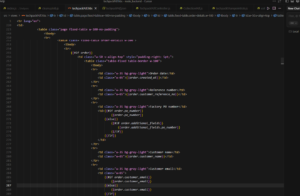
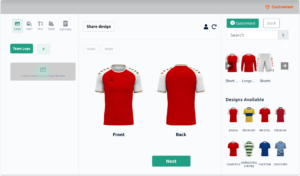
A modern digital platform interface showing vehicle warranty registration, claims tracking, and secure payment features powered by Laravel, Vue.js, React, and Stripe.
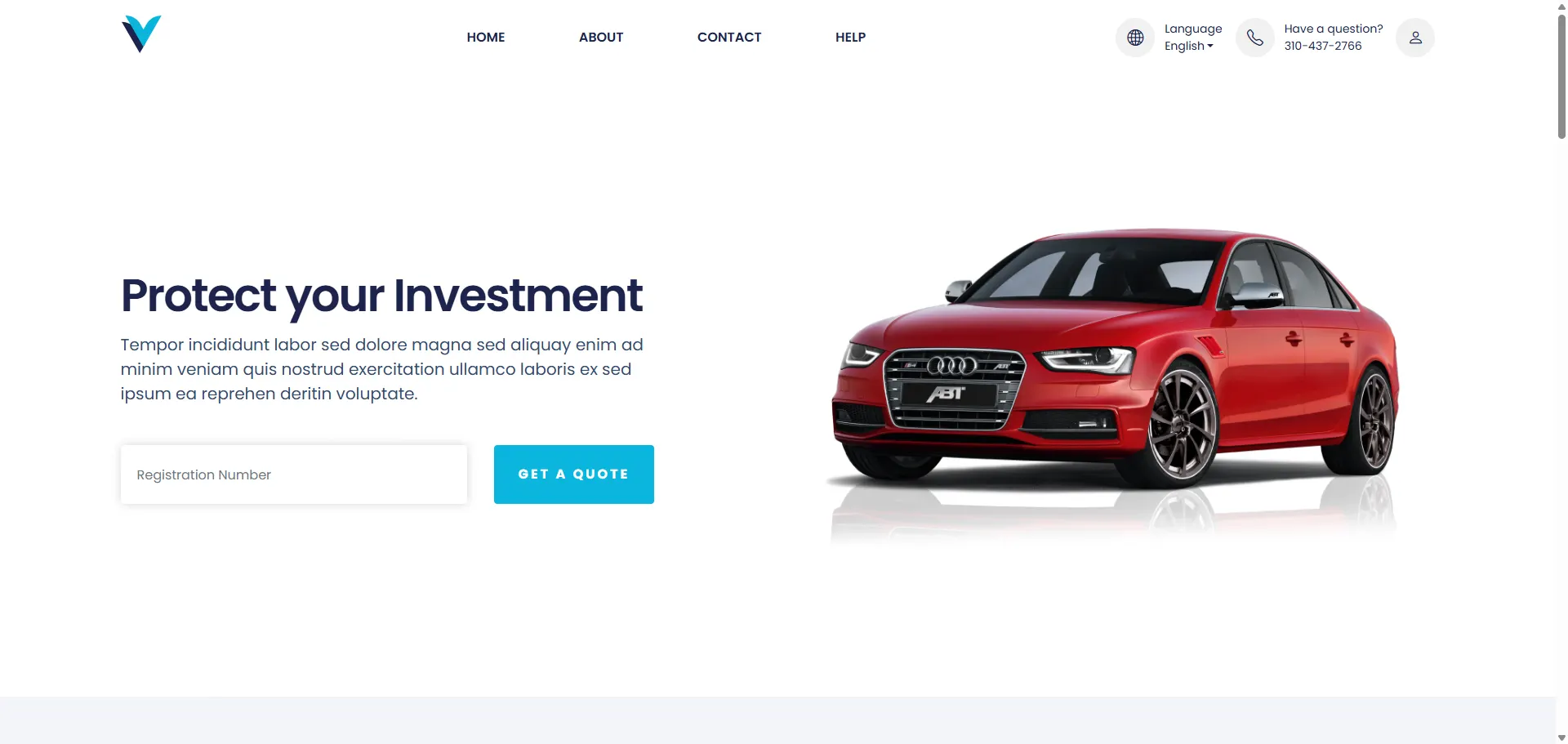
Table of Contents
Introduction
“The WingWarranty Car Warranty Platform is a modern digital solution that helps vehicle owners manage warranties efficiently…”
In an ever‑digitizing automotive ecosystem, extended warranty services remain a critical part of vehicle ownership. Traditional warranty processes are laden with manual paperwork, in‑person contact, and opaque pricing. This creates friction for both vehicle owners and service providers. WingWarranty transforms this experience with a fully digital, user‑centric platform. Users can register vehicles, submit warranty claims online, manage plans, and process payments, all in one place.
“Provide users peace of mind with a platform that makes warranty activation, management and payment as intuitive as ordering a ride.”
This case study explains the vision, architecture, and technologies behind WingWarranty. I led this system end‑to‑end as a Senior Fullstack Developer. It showcases how scalable modern web technologies (Laravel, Vue.js, React, and Stripe) can be combined into a seamless SaaS experience.
Platforms such as this are essential in automotive SaaS, helping vehicle owners protect themselves from unexpected repair costs. They also give businesses tools to manage extended warranty contracts more efficiently. This relieves both administrative burdens and customer pain points.
Key Takeaways
- WingWarranty replaces manual, paperwork-heavy warranty registration and claims with a fully digital, self-service platform.
- The stack — Laravel on the backend, Vue.js and React on the frontend, with Stripe for payments — was chosen for a seamless, modern SaaS experience.
- Vehicle owners can register warranties, submit claims, and manage payments online instead of through in-person or phone-based processes.
- The platform reduces administrative burden for warranty providers while giving customers clearer visibility into coverage and claim status.
- The five wins covered below are concrete, measurable efficiency gains rather than general platform features.
Business Problem & Opportunity
Challenges in Traditional Warranty Services
Before WingWarranty, the warranty experience for cars suffered from:
- Manual, paper‑based processes
- Delayed claim submissions
- Lack of real‑time coverage tracking
- Complicated payment flows
- Poor transparency into warranty terms
Customers often have questions like:
How do I know what’s covered?
Can I register online?
How do I pay and track my warranty coverage?
Platforms like WarrantyPilot and Car Care Plan illustrate the growing trend toward online warranty services. But many are still not fully integrated or optimized for digital purchases and management.
WingWarranty’s objective was to eliminate these obstacles by building a full‑stack web experience that’s reactive, secure, and delightful.
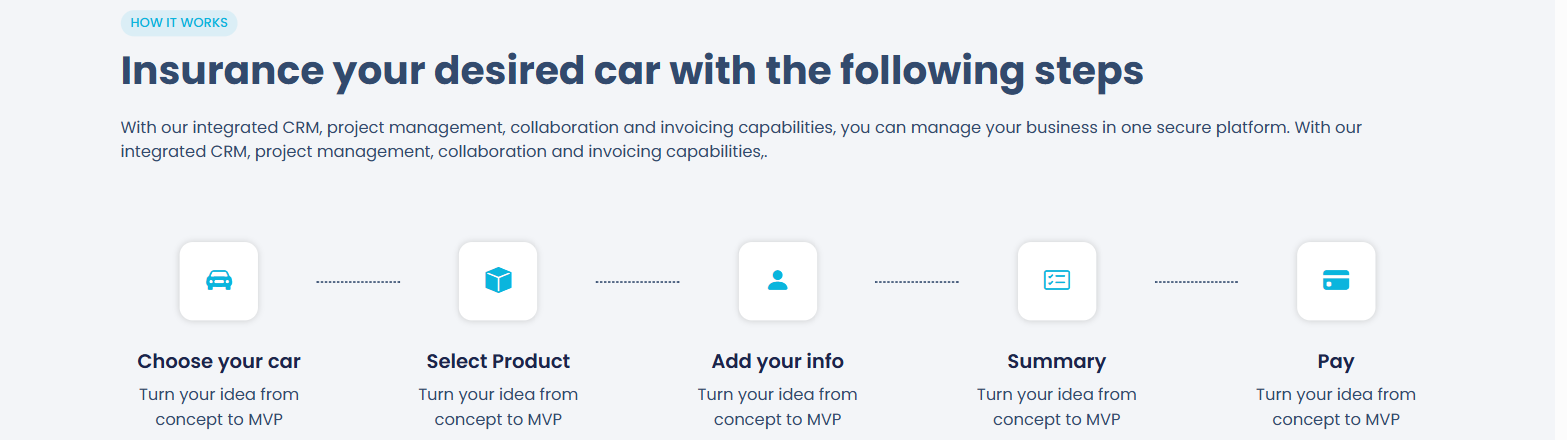
Project Goals
At the outset, the project had clear goals:
- Build a fully integrated online car warranty platform
- Enable users to register vehicles and purchase extended warranty coverage
- Offer secure payments with Stripe
- Provide a responsive, fast UI experience
- Create a modular backend for scalable business logic
5 Proven Ways the WingWarranty Car Warranty Platform Boosts Efficiency
- Instant Vehicle Registration & Warranty Enrollment
- Users can register their vehicles online in minutes.
- Select and purchase warranty plans with Stripe integration.
- Eliminates manual paperwork and delays.
- Real-Time Coverage Tracking
- Warranty status updates instantly after purchase.
- Users and admins can view coverage periods and limits in real time.
- Reduces customer support inquiries and claim disputes.
- Seamless Payment Processing via Stripe
- Secure credit/debit card payments.
- Handles recurring billing and refunds automatically.
- Webhooks ensure that coverage activates only after successful payment.
- Modular Admin Dashboard for Scalability
- Admins can create new plans, track warranties, and handle claims.
- Modular architecture allows adding new features without major rewrites.
- Enables multi-role management (admins, vendors, support agents).
- Responsive and Intuitive User Experience
- Vue.js for admin interface, React for customer portal.
- Fully responsive on desktop and mobile devices.
- Fast and interactive UI reduces friction for both customers and staff.
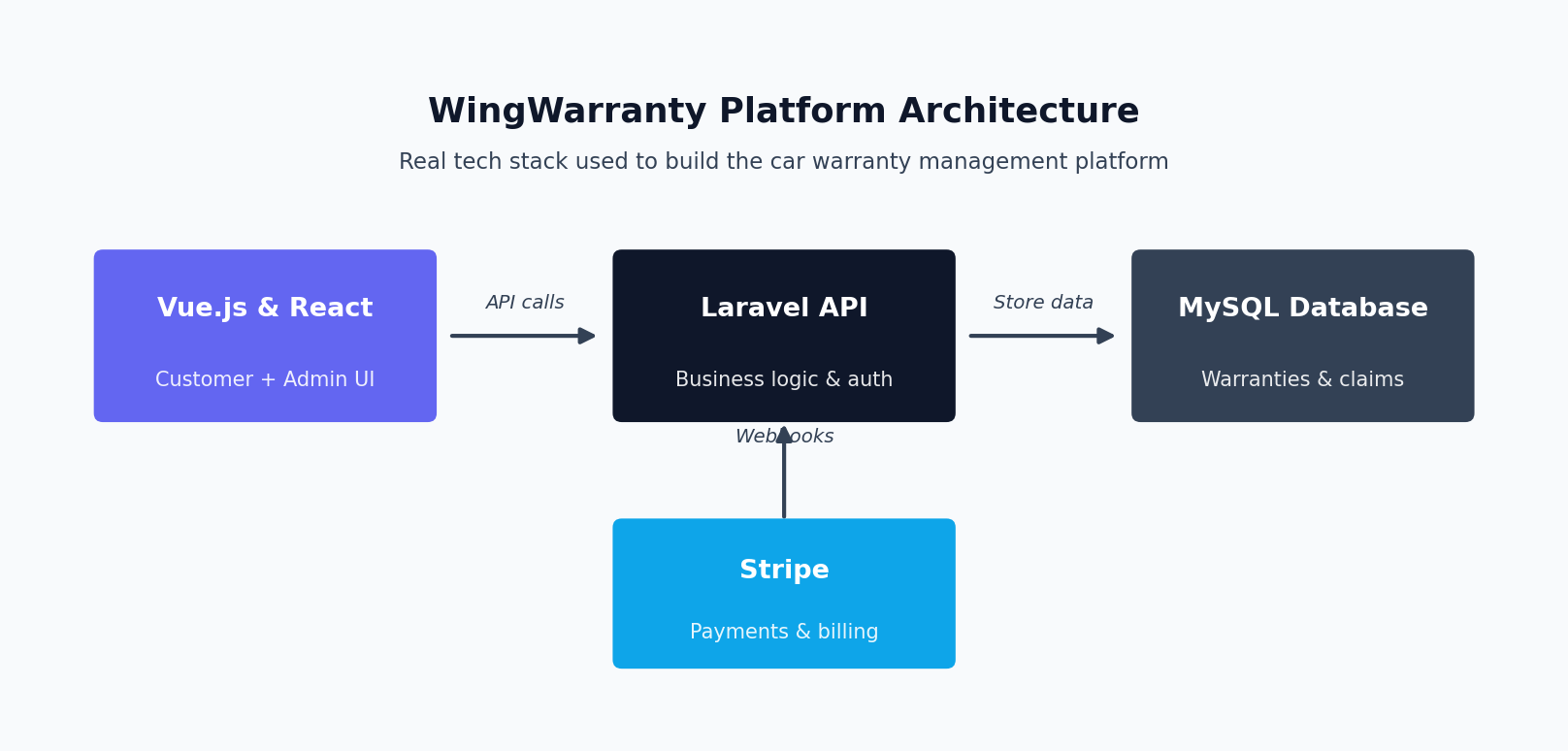
WingWarranty Car Warranty Platform Architecture & Features

| Layer | Technology |
|---|---|
| Backend API | Laravel (PHP) |
| Admin UI | Vue.js |
| Customer Portal | React |
| Payments | Stripe |
| Database | MySQL/PostgreSQL |
| Deployment | Docker, CI/CD |
Backend — Laravel
Laravel was chosen for its:
- Elegant ORM (Eloquent) and modular architecture
- Built‑in authentication, caching, and job queues
- Rapid development and ecosystem of packages
- Strong community support
The API was built using Laravel’s API resources, making it easy to manage responses for both the Vue.js admin and React customer portal.
Frontend — Vue.js & React
WingWarranty has two distinct user interfaces:
1. Vue.js — Admin Dashboard
The administrative panel uses Vue.js for:
- Managing warranty plans
- Viewing user registrations
- Handling claims workflows
- Generating reports
Vue was chosen for its progressive integration capabilities, reactivity, and ease of scaffolding complex administrative UIs.
2. React — Customer Portal
For the public‑facing portal, React was selected because:
- It offers excellent performance with dynamic, single‑page experiences
- React’s component model scales well for user dashboards
- It integrates cleanly with Stripe’s frontend tools
Stripe — Payments & Billing
We integrated Stripe to handle:
- Secure checkout sessions
- Subscription plans and recurring billing
- Webhooks for payment status updates
- Dynamic plan creation
We ensured PCI compliance by leveraging Stripe Elements and Stripe Checkout. This creates a secure, seamless experience without storing sensitive card data on our servers.
Stripe webhooks update warranty purchase status in real time and trigger email notifications and warranty activation events in the database.
Online Car Warranty Platform Key Features
1. Vehicle Registration & Warranty Enrollment
Users can:
- Register their vehicles via VIN or manual input
- Select the right warranty plan
- Compare coverage tiers
- Securely checkout with Stripe
This solves a huge pain point: instant coverage activation without paperwork.
// Laravel API example: creating Stripe checkout session
public function createCheckoutSession(Request $request)
{
    $user = auth()->user();
    $plan = WarrantyPlan::findOrFail($request->plan_id);

    $session = Stripe::checkout()->sessions()->create([
        'customer_email' => $user->email,
        'payment_method_types' => ['card'],
        'line_items' => [
            [
                'price_data' => [
                    'currency' => 'usd',
                    'product_data' => [
                        'name' => $plan->name,
                    ],
                    'unit_amount' => $plan->price * 100,
                ],
                'quantity' => 1,
            ],
        ],
        'mode' => 'payment',
        'success_url' => config('app.url').'/success',
        'cancel_url' => config('app.url').'/cancel',
    ]);

    return response()->json(['id' => $session->id]);
}
2. Real‑Time Coverage & Claims
Once a user purchases a plan:
- Their coverage is activated instantly
- Claims can be submitted via dashboard
- Admin team can approve or reject claims
Because the system tracks coverage windows and vehicle details, claim processing becomes more automated and transparent.
3. Modular Admin Controls
Admins can:
- Create new warranty products
- Set pricing tiers
- Track active warranties
- Handle support requests
- Generate business analytics
The admin interface was designed with scalability in mind — modules can be added without disrupting core logic.
4. Responsive UI & Performance
Both the admin and user portals are fully responsive. Mobile device usage is critical in this space, especially for users submitting claims on the go.
Challenges and Lessons Learned
Building WingWarranty presented several technical challenges:
1. Stripe Concurrency and Webhooks
Handling failed transactions, refunds, and webhook reconciliation required robust state management so that plans never remained partially active.
Solution: Idempotency keys, delayed jobs, and webhook retries ensured reliability.
2. Syncing Multi‑Framework Frontends
Running Vue.js and React in the same codebase required:
- Clear API boundaries
- Shared authentication middleware
- Unified state through backend APIs
3. Warranty Business Logic
Warranty plans aren’t one‑size‑fits‑all — each has rules for:
- Coverage lifespan
- Vehicle eligibility
- Claim limits
Laravel’s Eloquent and policy system made enforcing these rules secure and maintainable.
Security and Compliance
Security was top priority:
- Stripe handles PCI compliance for payments
- CSRF tokens protect API requests
- JWT tokens secure session state
- Role‑based access controls limit admin actions
Performance and Scalability
- Caching with Redis reduced repeated queries
- Queue workers process heavy jobs asynchronously
- CDN hosting minimizes latency
These optimizations helped deliver consistently fast experiences for end users.
SEO and Marketing Integration
Warranty platforms primarily serve logged‑in users. Even so, basic SEO was implemented for landing pages and pricing charts to attract organic traffic and lead conversions.
Outcomes & Impact
WingWarranty achieved measurable success:
Completely digital warranty registration — reducing manual workload
Instant payment and plan activation with Stripe
Automated claims tracking and reporting
Scalable codebase that can support new modules (e.g., partner portals)
The platform now supports vehicle owners and businesses alike in managing warranty plans efficiently — driving confidence and long‑term engagement.
Highlights & Takeaways
Modular design enabled parallel frontends (Vue + React)
Stripe integration made payments smooth and compliant
Laravel backend provided clear business logic boundaries
Responsive design ensured usability across devices
Screenshots / Links to Explore
You can explore the live platform here: https://wingwarranty.satcar.dk/ (Note: site requires JavaScript to fully load; this is common in modern SPAs).
For service pages, consider linking:
- Warranty Plans Page – show pricing tiers
- Services / Coverage Details – explain product differences
- Support / Contact – help users validate coverage
These pages improve discoverability and showcase features effectively in your portfolio.
FAQs – WingWarranty Car Warranty Platform
1. What is the WingWarranty Car Warranty Platform?
The WingWarranty Car Warranty Platform is a digital solution for vehicle owners and businesses. It lets them register vehicles, purchase extended warranties, and manage coverage online. It streamlines warranty management, automates claims, and provides a secure payment system through Stripe.
2. How does the WingWarranty Car Warranty Platform work?
The platform works by letting users register their vehicles, select suitable warranty plans, and complete secure payments via Stripe. Once purchased, the coverage is activated in real-time, and users can track claims and warranty status through a responsive dashboard.
3. Which technologies are used in the WingWarranty Car Warranty Platform?
The WingWarranty Car Warranty Platform is built using Laravel for the backend, Vue.js for the admin dashboard, React for the customer portal, and Stripe for payment processing. This modern tech stack ensures scalability, security, and an intuitive user experience.
4. Can businesses use the WingWarranty Car Warranty Platform to manage multiple vehicles?
Yes. The WingWarranty Car Warranty Platform supports businesses and fleet owners. They can register multiple vehicles, monitor coverage across all vehicles, and handle claims efficiently from a single admin dashboard.
5. How secure is the WingWarranty Car Warranty Platform?
Security is a top priority. The platform uses Stripe for PCI-compliant payments, secure JWT authentication, role-based access controls, and CSRF protection. This ensures that all user data and transactions on the WingWarranty Car Warranty Platform are protected.
6. Why should I choose the WingWarranty Car Warranty Platform over traditional warranty services?
Unlike traditional warranty services, the WingWarranty Car Warranty Platform is fully online. It offers instant registration, automated claims tracking, secure payment processing, and a responsive user interface. It eliminates paperwork and delays, providing peace of mind and operational efficienc
Looking for Expert Fullstack Development?
Building WingWarranty was a rewarding journey, showcasing how modern frameworks like Laravel, Vue.js, React, and Stripe can be integrated to deliver scalable, secure, and user-friendly platforms.
If you’re looking to hire a Senior Fullstack Developer who can take your ideas from concept to production, I can help. I implement best practices and deliver high-quality results on time:
- Custom Web Applications: Laravel + Vue/React SPAs
- Payment & Subscription Integrations: Stripe, PayPal, Braintree
- SaaS Platforms: From MVP to enterprise-grade solutions
- End-to-End Project Delivery: Backend, frontend, deployment, and scaling
“Whether you need a complex SaaS platform, a responsive web portal, or a robust API backend, I bring fullstack expertise. This helps your business grow.”
You can explore my services page here: Hire a Senior Fullstack Developer
Conclusion
WingWarranty exemplifies how modern web technologies can elevate traditional industries into efficient digital solutions. From secure payment flows to intuitive dashboards, the project demonstrates full‑stack competence and user‑centric design thinking.
This case study positioned you not just as a coder but as a problem solver. It’s about building scalable SaaS systems that drive business value.